
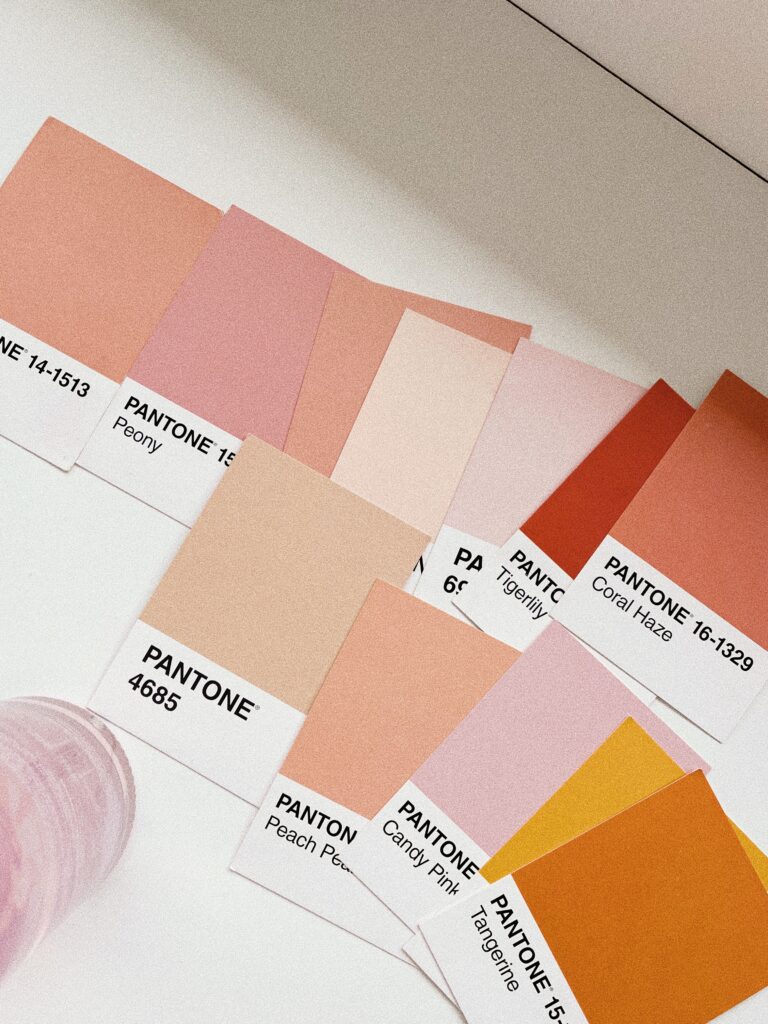

If you’re a therapist, dietitian, or private practice owner trying to make sense of branding, you’re in good company. The word “branding” gets thrown around so often that it can start to feel like a buzzword instead of something you can actually do for your private practice.
Not to mention, there’s so much that goes into branding and brand design, it can be hard to keep up!
Here at Studio Adagio, we talk about branding for private practices constantly, but we still get asked the same handful of branding questions over and over. So in this post, we’re answering them allll in plain language!
Let’s get into it. 👇🏼
Answering The Top 10 Private Practice Branding Questions You Actually Want To Know
What is brand identity?
Let’s start with the basics! This term gets used a lot without much explanation and it can kind of leave you feeling like, “whattttt does that even mean?”
Put simply, brand identity is the visual and emotional expression of who your practice is, including your colors, fonts, imagery, tone of voice, and the overall feeling someone gets when they interact with your brand.
Think of it as the “personality” of your practice translated into something people can see and feel. It’s what makes your practice recognizable and, more importantly, what makes the right clients feel like they’ve found the right fit before they’ve even booked a consultation!
Overall, your brand identity is a strategic tool that builds trust and signals who you’re really for.
What is brand design?
Next, let’s cover brand design because this one gets confused with brand identity a lot and while they are closely related, they are not the same thing!
Brand design is the process of actually creating the visual pieces that make up your brand identity, including your logo, color palette, typography, patterns, and any other visual assets you’ll use across your website, social media, and print materials.
A simple way to think about it:
- Brand identity = the “what” aka who you are as a practice
- Brand design = the “how” aka the actual creative work of bringing that identity to life visually
A strong brand design process should always start with strategy first, design second. Otherwise, you end up with something that looks nice but doesn’t actually say anything about your practice!
Is branding just your logo?
We had to include this question because believe it or not, some people really do think that branding just means your logo.
But if we could shout this from the rooftops we would… BRANDING IS NOT JUST YOUR LOGO!
Even though this branding question really gets to us, we can admit that it makes sense why you might think this – your logo is often the most visible piece of your brand, so it’s easy to assume it is your brand.
In reality, however, your logo is just one small piece of a much bigger picture. Your full brand includes:
- Your color palette and typography
- Your photography and imagery style
- Your voice and messaging
- The overall experience someone has interacting with your practice, both online and in person
A great logo with no strategy behind it is just a pretty graphic. True private practice branding ties all of these pieces together so they consistently communicate who you are and who you help.
What’s the difference between private practice branding and marketing?
This is an important branding question to get clear on, especially when you’re a private practice owner trying to figure out where to invest your time and budget first.
Here’s the most simple answer:
Branding is WHO you are. Marketing is how you TELL people about it.
Your private practice branding is the foundation, which consists of your identity, your messaging, and your visual world.
Marketing is everything you do to get that message in front of the right people, like your social media content, email newsletters, SEO, and paid ads.
When you’re trying to decide where to spend your dollars or what to focus on first, it’s important to understand that private practice marketing without strong branding behind it tends to fall flat.
Because you can run all the ads you want or post on social media so consistently, but if your brand doesn’t clearly communicate who you help and why you’re different, potential clients won’t feel connected enough to take the next step.
That’s why we always recommend nailing down your branding first before pouring resources into marketing because it gives everything else you do SO much more traction.
How do you incorporate private practice branding into website design?
Here at Studio Adagio, we do both – brand and web design for private practice owners.
And the reason for that is because once your branding exists, the next question is almost always: okay, so how does this actually show up on my website?
We don’t want to leave our clients to figure that out on their own!
Your website should be a direct visual and verbal extension of your brand identity, which means:
- Using your brand colors and fonts consistently across every page
- Reflecting your brand’s tone of voice in your website copy
- Incorporating your brand photography or approved imagery style
- Using design elements (patterns, icons, shapes) that reinforce your brand’s visual world
- Making sure the overall feel of the site matches the emotional experience you want clients to have
When branding and web design are done together intentionally, your website doesn’t just look good – it feels cohesive, trustworthy, and unmistakably you.
(P.S. If you’re in need of brand or web design – or both – for your private practice, CLICK HERE to get in touch to see if Studio Adagio is a good fit!)
How do you align your website design with brand identity?
This branding question is closely related to the last one, but it’s worth digging into a little further because alignment is where a lot of practices fall short.
Alignment means every design decision on your website ties back to your brand strategy as a whole, not just your brand assets.
For example, if your brand identity centers around feeling like a calm, grounding presence for trauma survivors, your website shouldn’t just use soft colors – the pacing, the imagery, the copy, and even the navigation should all reinforce that same sense of calm.
A simple way to check for alignment between your website design and brand identity is to ask: does this page feel and sound like my brand OR does it just have my brand colors slapped on it?
If it’s the latter, that’s usually a sign the brand strategy piece got skipped!
Can you launch a website before having private practice branding?
Technically, yes, but we’d never ever ever encourage a private practice owner to do that!
You can absolutely build and launch a website without a fully developed brand identity, but it usually means you’ll end up making bigger changes (and spending more money) down the road.
Without brand strategy guiding your website design process, website decisions like color choices, messaging, and imagery tend to be made with no intention behind them. That often results in a site that feels generic or, worse, doesn’t quite reflect who your practice really is.
If you’re eager to get online sooner rather than later, at minimum we recommend nailing down your core brand strategy, meaning your ideal client, your positioning, and your key messaging, before building your site, even if the full visual identity comes together later!
How much does professional private practice branding cost?
This is one of the most practical (and most-asked) branding questions we get, and unfortunately, there’s no single number that applies to everyone.
Private practice branding costs can vary widely depending on:
- The scope of the project (logo only vs. a full brand identity system)
- Whether strategy work is included
- The experience level of the designer or studio you work with
- Whether you need additional deliverables like brand guidelines, social media templates, or print materials
Generally speaking, DIY branding tools can cost very little upfront but often require more of your own time. Working with a professional brand designer or studio (like us!), on the other hand, is a bigger investment, but it typically means a more strategic, cohesive result that’s built to last for years rather than months.
Rather than asking “what’s the going rate,” it’s more useful to ask what level of strategy and support you actually need – that will tell you a lot more about the investment that makes sense for your practice!
How do you know when it’s time to rebrand?
A lot of private practice owners sit with this branding question for a while before actually doing anything about it, so let’s talk through some of the signs.
It might be time to rebrand your private practice if:
- Your current branding no longer reflects who you serve or how your practice has grown
- You feel embarrassed or hesitant to share your website or materials with potential clients
- Your brand looks inconsistent across your website, social media, and print materials
- You’ve shifted your niche, specialties, or ideal client since your last brand was created
- You’re simply not attracting the type of clients you actually want to work with
A rebrand doesn’t always mean starting from scratch, either! Sometimes a refresh, like updated colors, refined messaging, a cleaner logo, etc. is enough to realign your brand with where your practice is today.
For a deeper dive into a brand rebrand vs. a brand refresh, CLICK HERE!
How do you go about branding your private practice?
Lastly, people often want to know how you actually go about branding your private practice, so let’s talk through what the actual branding process looks like.
A solid private practice branding process usually includes:
- Strategy first – clarifying your ideal client, your positioning, and your core messaging
- Visual direction – developing mood boards or style directions before jumping into design
- Design development – creating your logo suite, color palette, typography, and supporting visual elements
- Brand guidelines – documenting how to use your brand consistently across every platform
- Application – rolling your new brand out across your website, social media, and any print materials
The biggest mistake we see private practice owners make is skipping straight to brand design without doing the overarching strategy work first!
While it might feel faster, it usually means more revisions (and more cost) later on, which is ultimately why we highly recommend working with a professional brand designer so you can do it right the first time!
Have more private practice branding questions that we didn’t answer?
If you’ve made it this far, hopefully this blog helped make private practice branding feel a little less overwhelming and a lot more approachable.
Because at the end of the day, your brand isn’t just what your practice looks like – it’s how potential clients decide, often within seconds, whether they trust you enough to reach out.
But if you’re sitting here realizing you still have private practice branding questions we didn’t answer in this blog post, we’d love to help!
At Studio Adagio, we help therapists, dietitians, and private practice owners build intentional, strategic brands that reflect who they are and attract the clients they’re meant to serve.
Whether you need support with new private practice branding, are ready for a rebrand, or simply need a brand refresh, our team is here to help you navigate it all with clarity and confidence.
➡️ CLICK HERE to follow us on Instagram and feel free to send any DMs our way with your private practice branding FAQs. Or if you know you’re ready for branding support for your private practice, we’d love to connect.
➡️ CLICK HERE to view our branding services for private practice clinicians and get started on a brand that truly represents your practice.